Chaco Jaguar Conservation Project

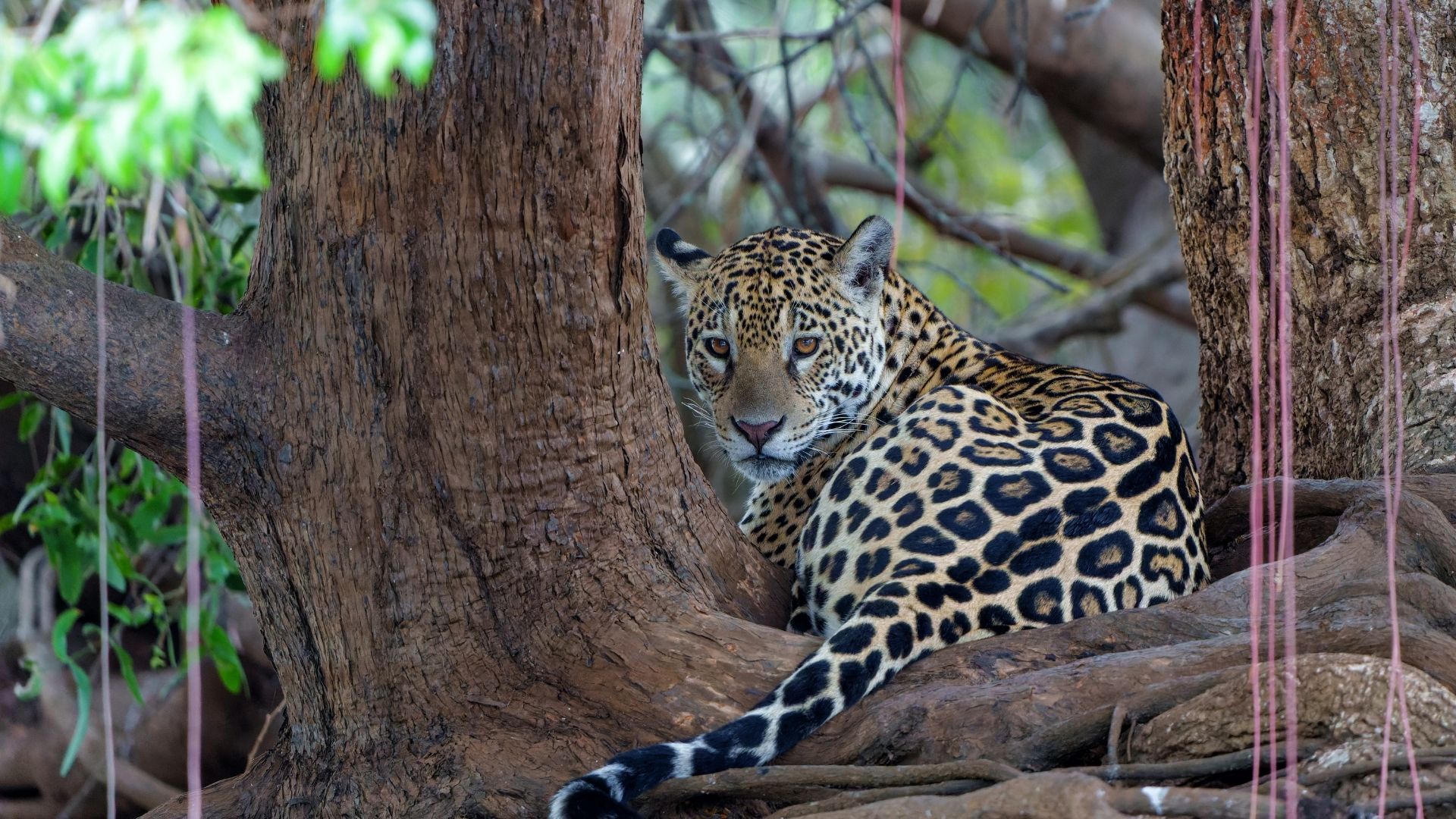
We stop over 50 jaguars per year from being killed in the Gran Chaco. You can help us protect more.

We have one of the longest-running jaguar conservation project in South America, where we work with ranchers to save 50+ jaguars per year from being killed. More need our help.

Chaco Jaguar Conservation Project

We stop over 50 jaguars per year from being killed in the Gran Chaco. You can help us protect more.

We have one of the longest-running jaguar conservation project in South America, where we work with ranchers to save 50+ jaguars per year from being killed. More need our help.

Chaco Jaguar Conservation Project

We stop over 50 jaguars per year from being killed in the Gran Chaco. You can help us protect more.

We have one of the longest-running jaguar conservation project in South America, where we work with ranchers to save 50+ jaguars per year from being killed. More need our help.

Meet our team

We're a globe-spanning league of local conservation professionals and leaders protecting threatened carnivore species and their habitats, and investing in the human communities that live beside them.

Over the past 20 years, S.P.E.C.I.E.S. has achieved on-the-ground conservation outcomes in 21 countries, benefiting 70+ threatened carnivore species around the world. Our multi-award-winning family has changed the planet for good.


Who we are: Wildlife conservation, done differently

Target species: Carnivores

Earth with clouds above the African continent (Background Removed)
Diego and his team protect endangered jaguars in in the Gran Chaco, our longest-running program
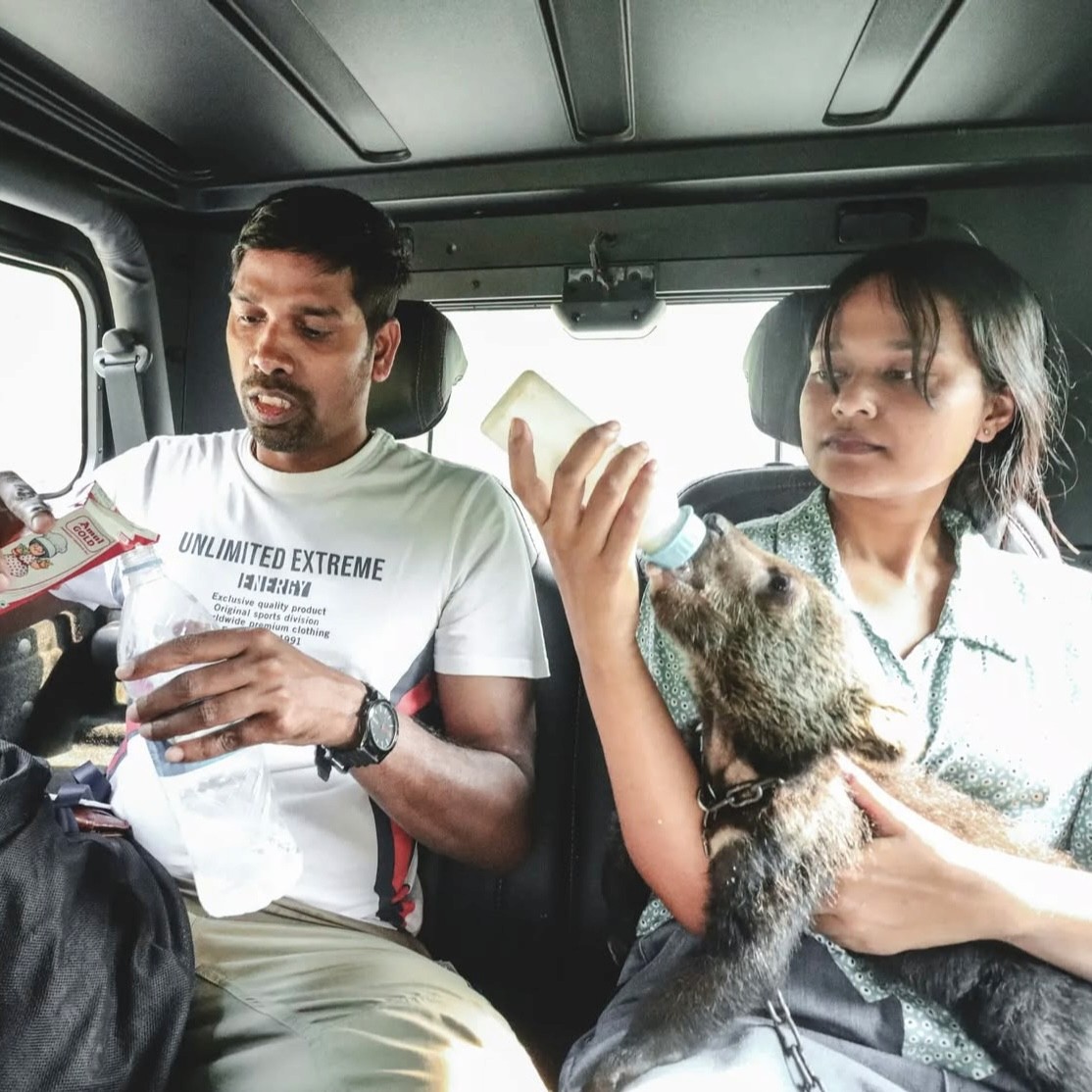
Sushanto and Antarika in India rescuing an Asiatic black bear cub who's mother had been poached
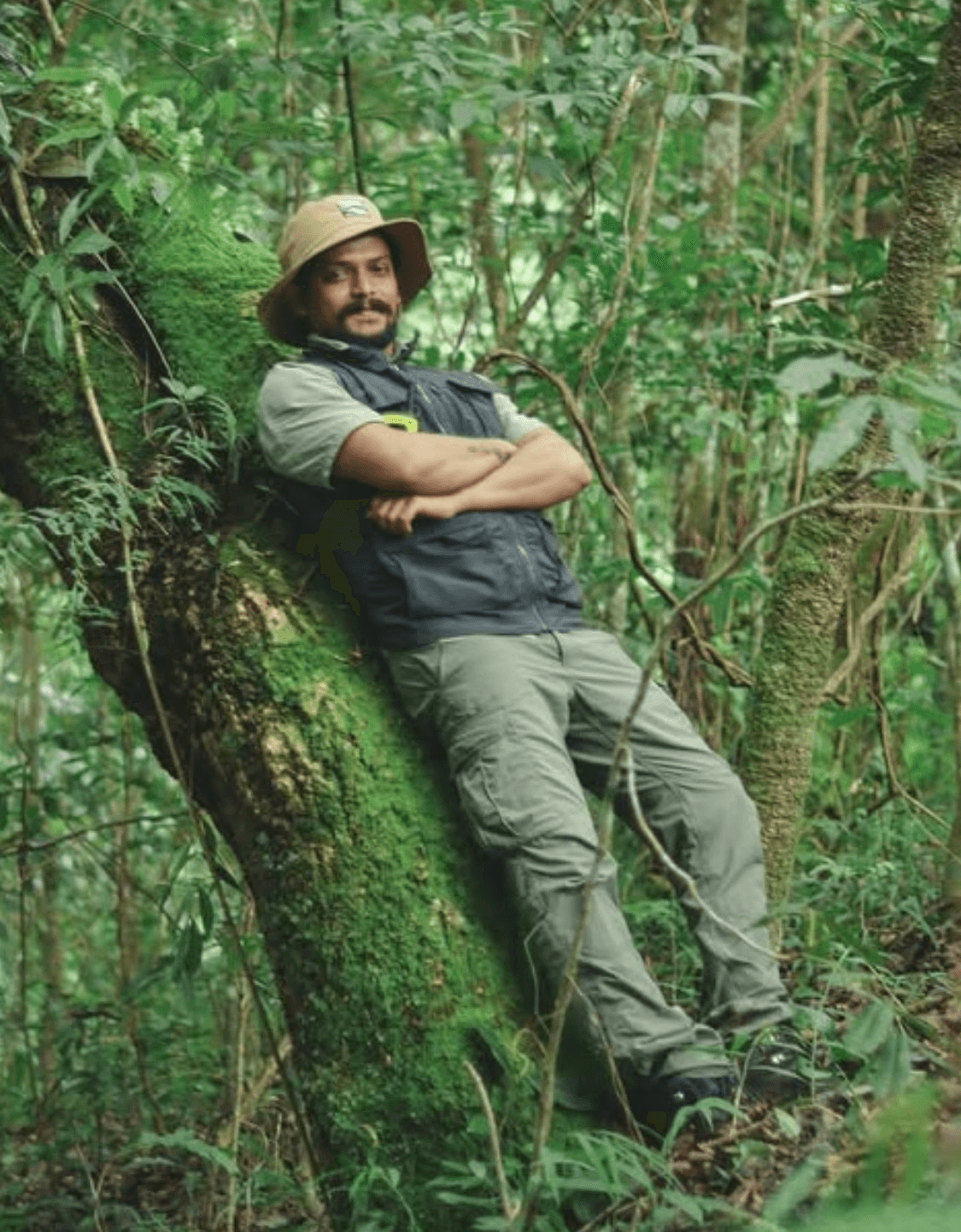
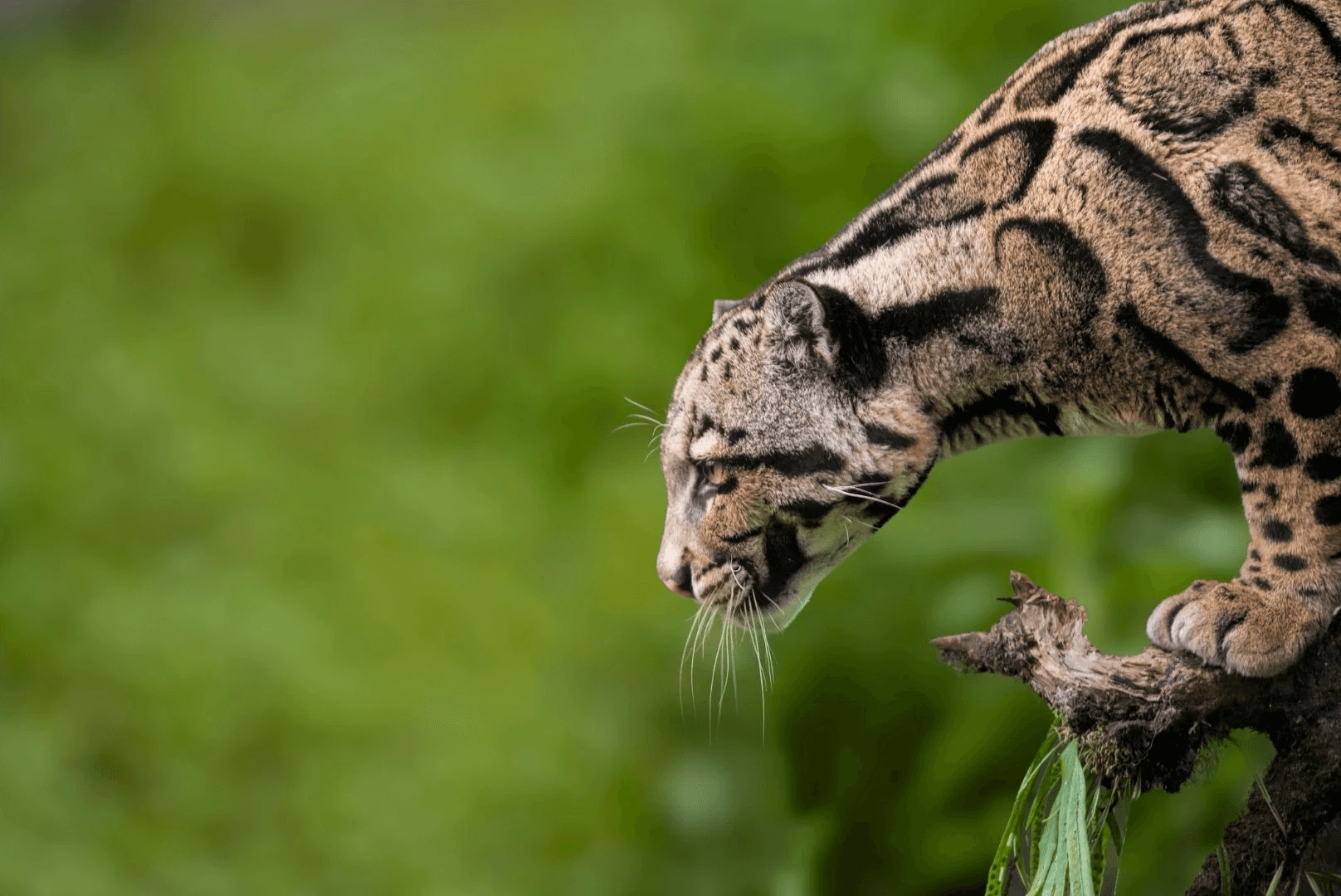
Amit works with communities to protect clouded leopards & dholes in India
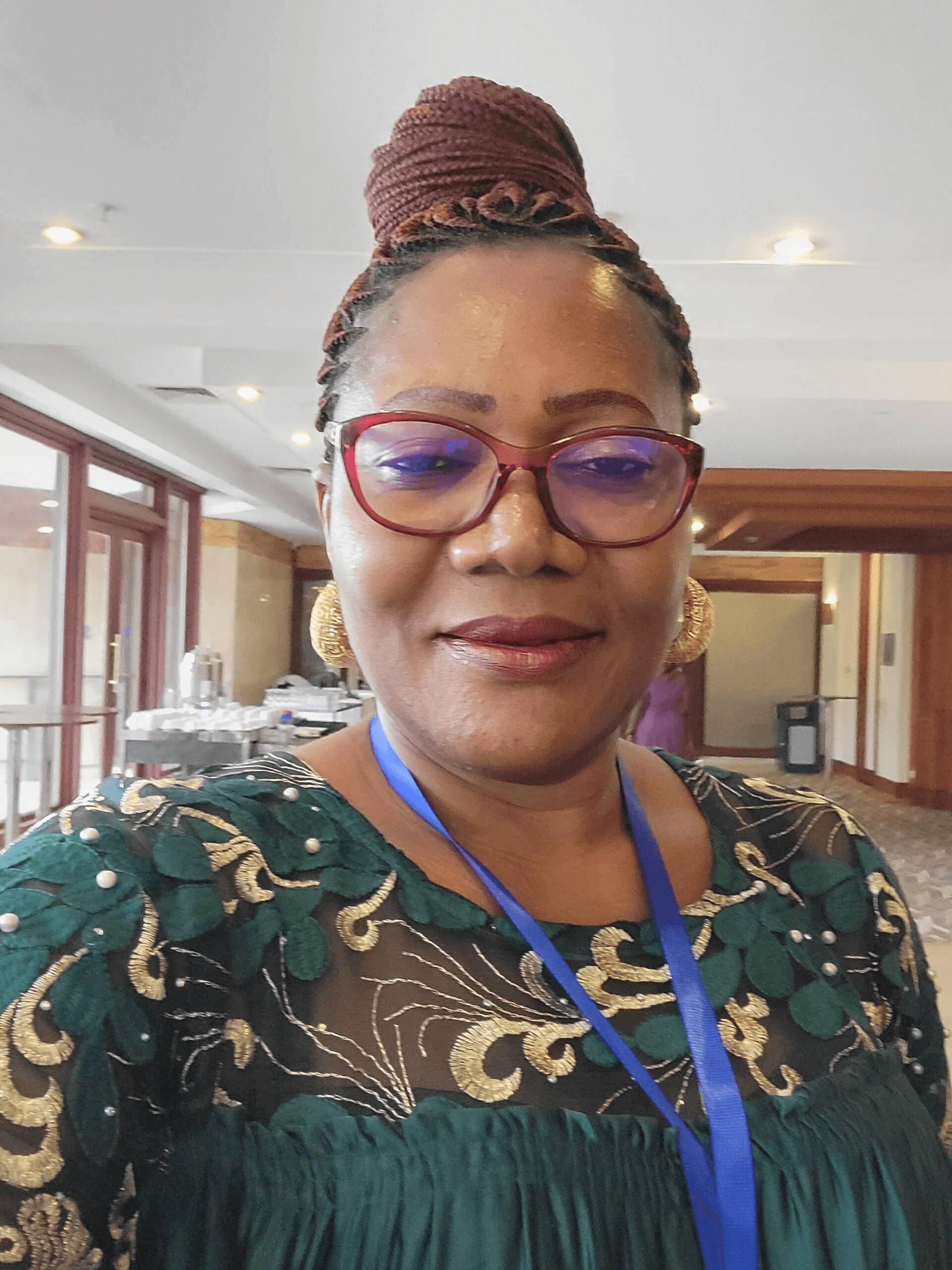
Pricelia is building a West African lion conservation program in Cameroon

We've been the trusted on-the-ground conservation partners for over 50 brands, governments, universities, zoos and NGOs around the world.

We've been the trusted on-the-ground conservation partners for over 50 brands, governments, universities, zoos and NGOs around the world.

Our work

The S.P.E.C.I.E.S. Difference:
How We Work

We're building a new, guided bottom-up model of conservation that integrates:

community leadership

scientific expertise

social entrepreneurship

innovations in technology & systems design

measurable outcomes for wildlife & biodiversity
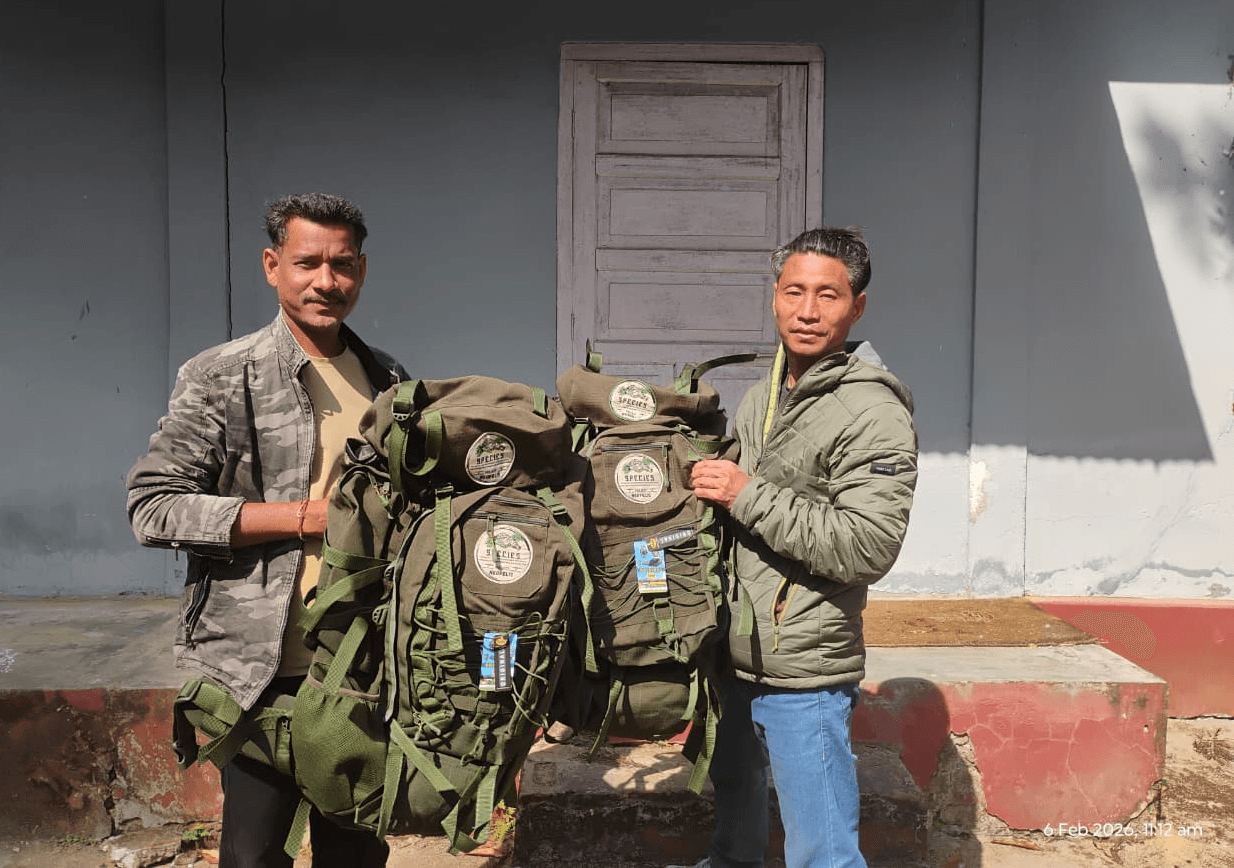
Incubating Local Leaders & Entrepreneurs

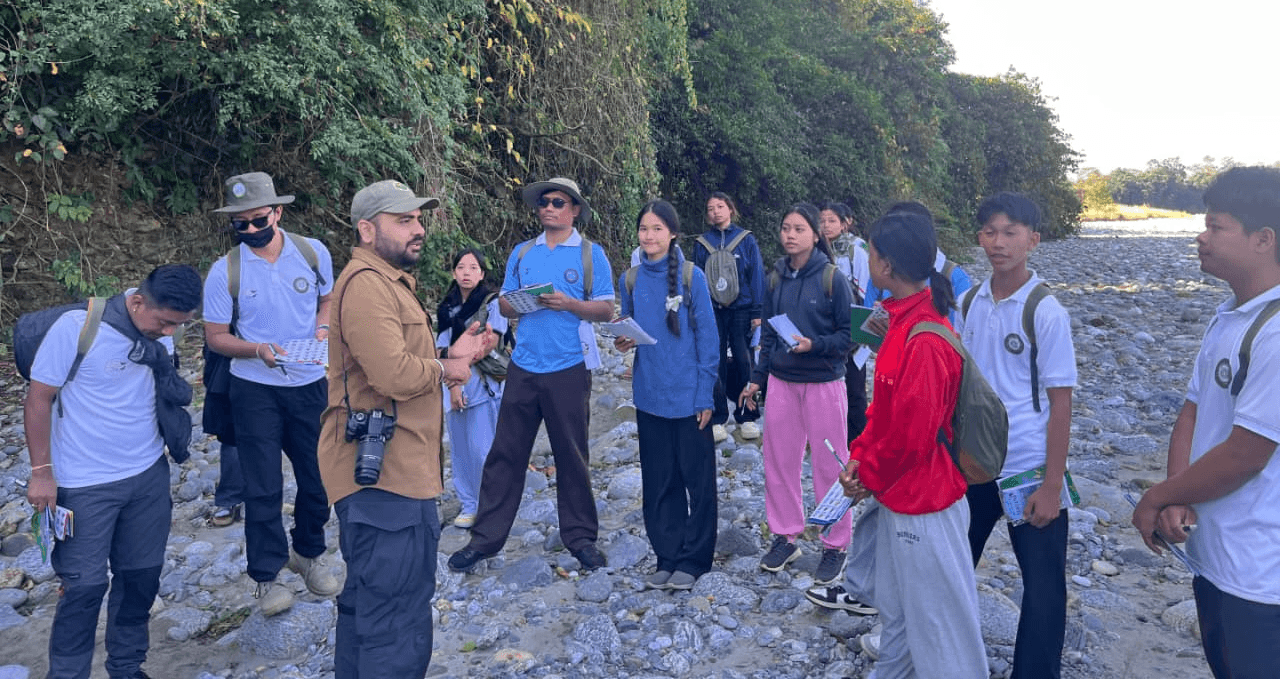
We stand as a unique force in global wildlife conservation by operating as an international incubator empowering emerging conservation leaders, often from Indigenous and local rural communities around the world, with an emphasis on supporting women in science. So far, we've also supported close to 50 Masters & PhD students and research projects, and provide access to global networks, training, and resources.⁠⁠​

Incubating Local Leaders & Entrepreneurs

We stand as a unique force in global wildlife conservation by operating as an international incubator empowering emerging conservation leaders from local and Indigenous communities, with a focus on women and minorities in science. So far, we've supported 24 PhD students and research projects, and provide access to global networks, training, and resources.⁠⁠​

seal on water during daytime

Focus on Underserved Species & Areas

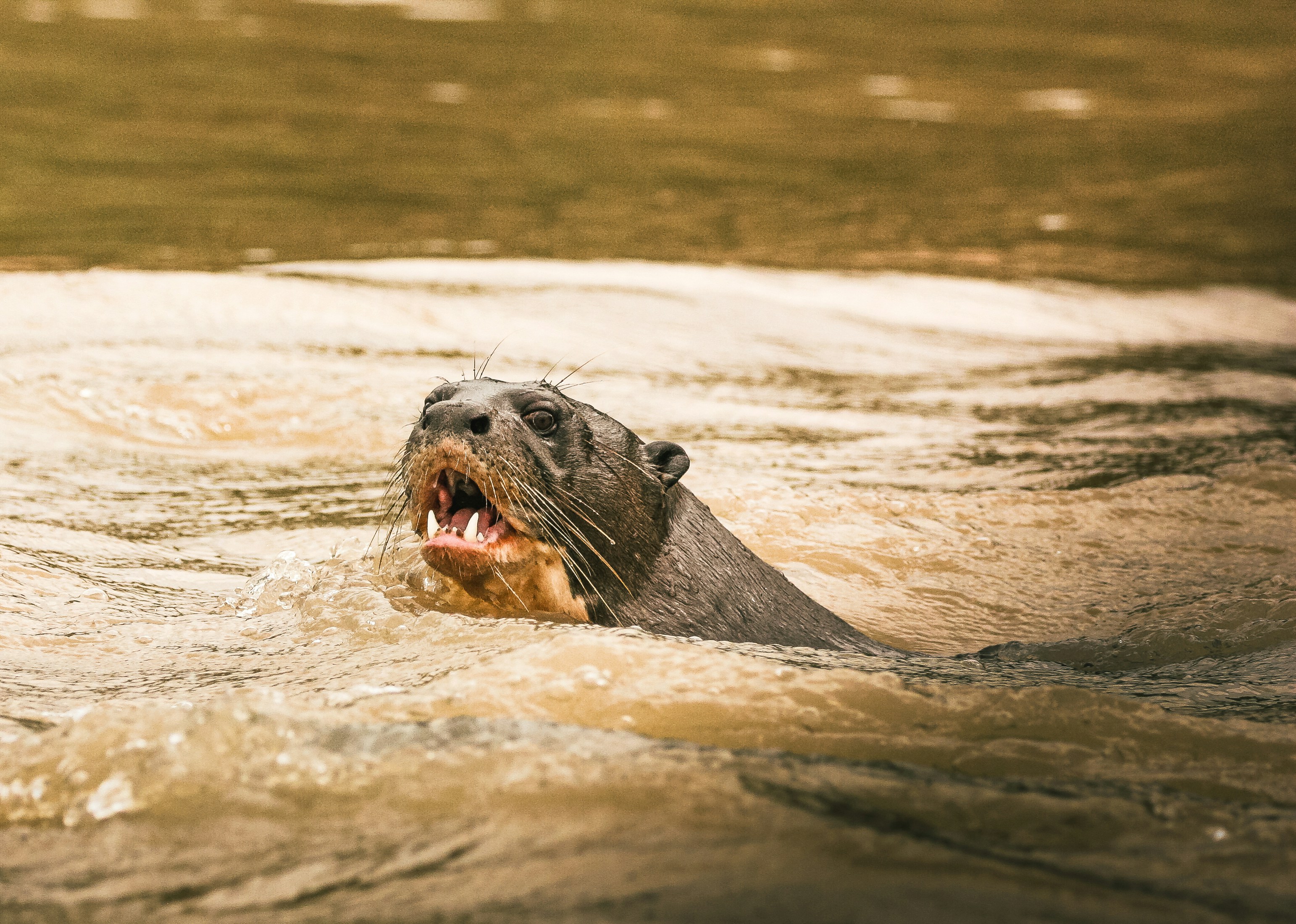
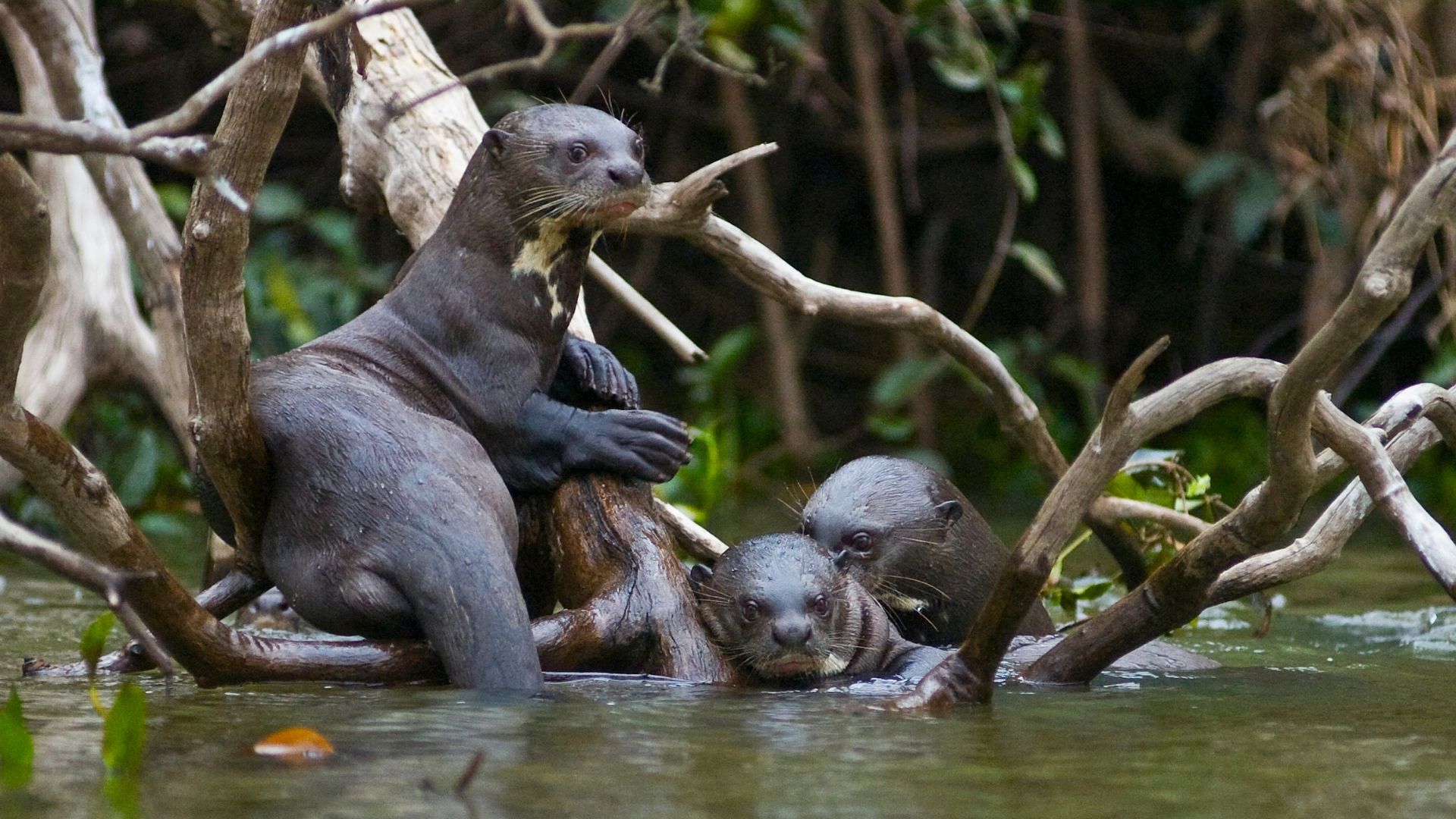
We've been the first to launch conservation programs in the field to benefit on underserved and understudied species, like giant otters. We also create and partner with small on-the-ground teams to expand conservation programs into regions overlooked by other organizations.

seal on water during daytime

Focus on Underserved Species & Areas

We stand as a unique force in global wildlife conservation by operating as an international incubator empowering emerging conservation leaders from local and Indigenous communities, with a focus on women and minorities in science. So far, we've supported 24 PhD students and research projects, and provide access to global networks, training, and resources.⁠⁠​

people on beach during daytime

Community-driven, inclusive solutions

We listen. We've partnered with dozens of communities, including 23 Indigenous Nations around the world, to co-design solutions that work for both wildlife and people. We also operate in working landscapes, building long-term relationships with ranchers and farmers to promote co-existence with wildlife, and help build capacity among governments to monitor biodiversity and invest in meaningful conservation outcomes.

people on beach during daytime

Community-driven, inclusive solutions

We stand as a unique force in global wildlife conservation by operating as an international incubator empowering emerging conservation leaders from local and Indigenous communities, with a focus on women and minorities in science. So far, we've supported 24 PhD students and research projects, and provide access to global networks, training, and resources.⁠⁠​

Scientific Rigor & Experience

Altogether, our family of scientists, conservation professionals, and students have a combined 150+ years of doing science on the ground, contributing to 500+ papers in peer-reviewed scientific journals, and working across 45 countries. We are affiliated with more than 15 specialist and working groups of the IUCN, the world's largest and most reputable conservation body, and dozens of universities in the USA and around the world.

Scientific Rigor & Experience

We stand as a unique force in global wildlife conservation by operating as an international incubator empowering emerging conservation leaders from local and Indigenous communities, with a focus on women and minorities in science. So far, we've supported 24 PhD students and research projects, and provide access to global networks, training, and resources.⁠⁠​

person holding light bulb

Technology & Innovation Hub

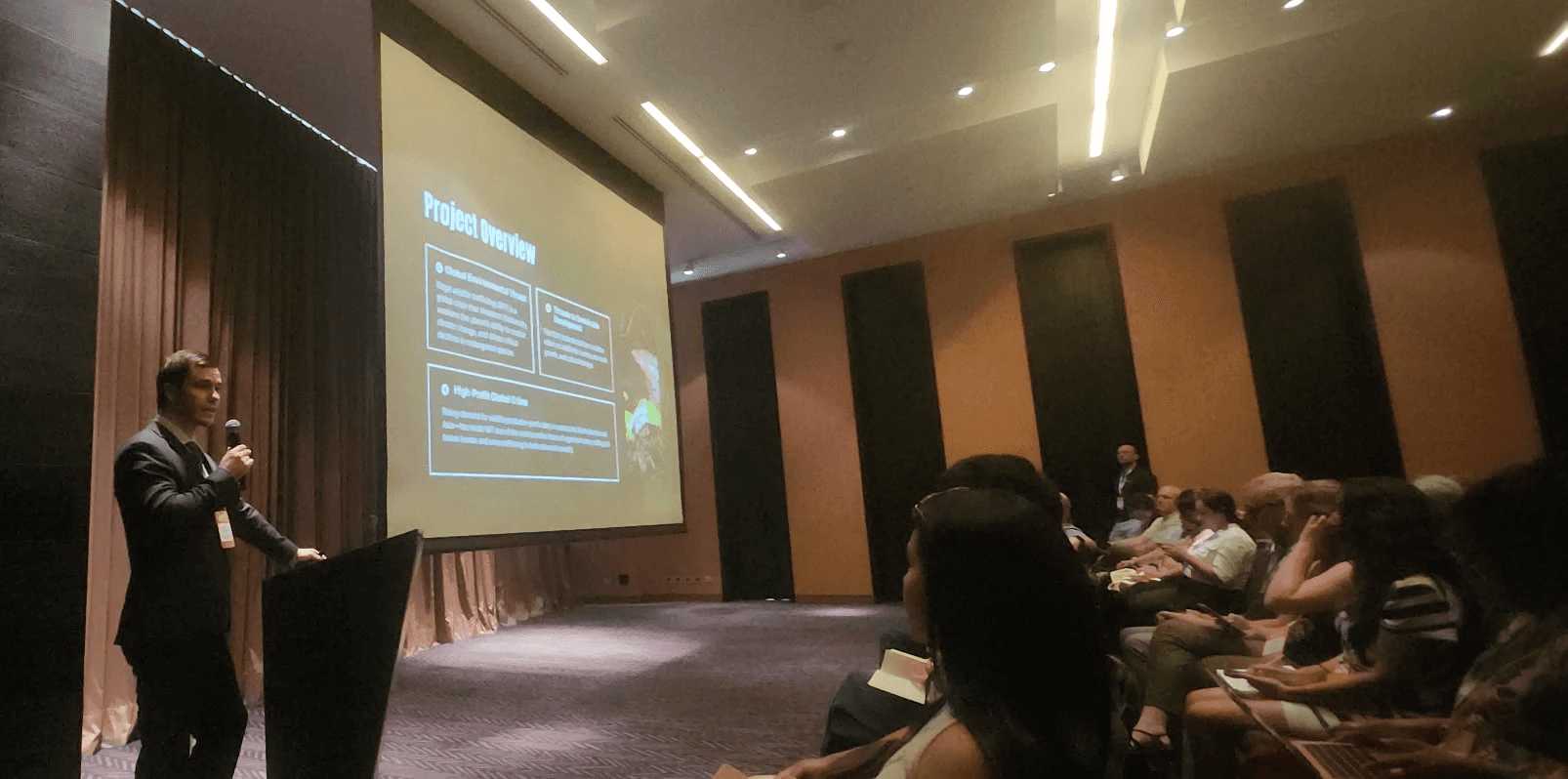
We co-design and develop innovative approaches to protect wildlife and promote community wellbeing. From the development of the ALERIS system (Advanced Law Enforcement Response and Information Sharing) to combat illegal wildlife trafficking, to multi-scale investments in social entrepreneurship, to finding new ways for people and wildlife to co-exist, SPECIES is unafraid to be the pioneer.

We're demonstrating how tools co-designed with local partners & global experts can scale impact far beyond a single program.

person holding light bulb

Technology & Innovation Hub

We stand as a unique force in global wildlife conservation by operating as an international incubator empowering emerging conservation leaders from local and Indigenous communities, with a focus on women and minorities in science. So far, we've supported 24 PhD students and research projects, and provide access to global networks, training, and resources.⁠⁠​

“Our social contract — our pact — is not
with institutions, but with local people."

“Our social contract — our pact — is not with institutions, but with local people."

“Our social contract — our pact — is not
with institutions, but with local people."

— Dr. Anthony J. Giordano, founder of S.P.E.C.I.E.S.

- Dr. Anthony J. Giordano

founder of S.P.E.C.I.E.S.

a close up of a snow leopard on a tree branch
Our impact

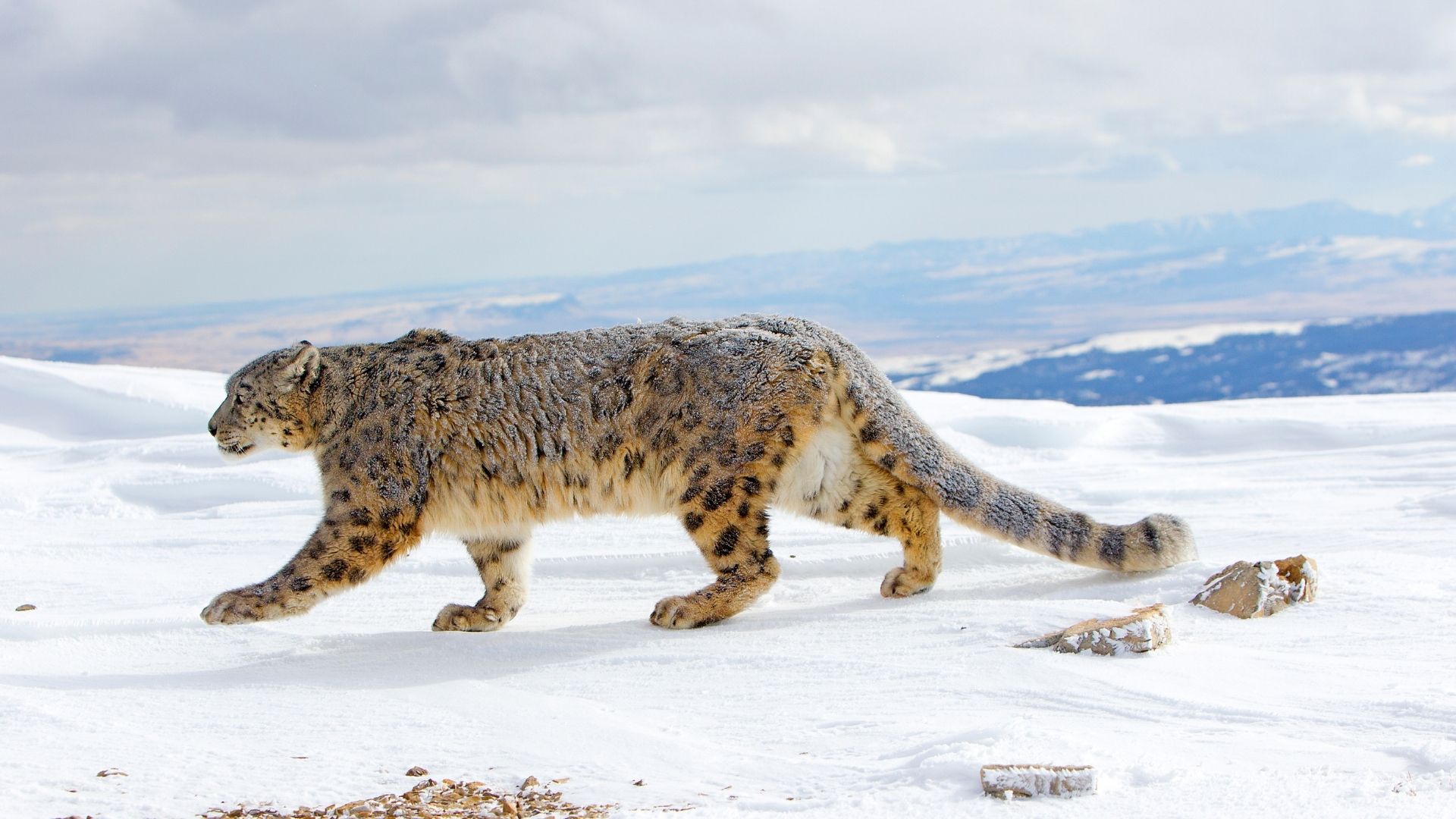
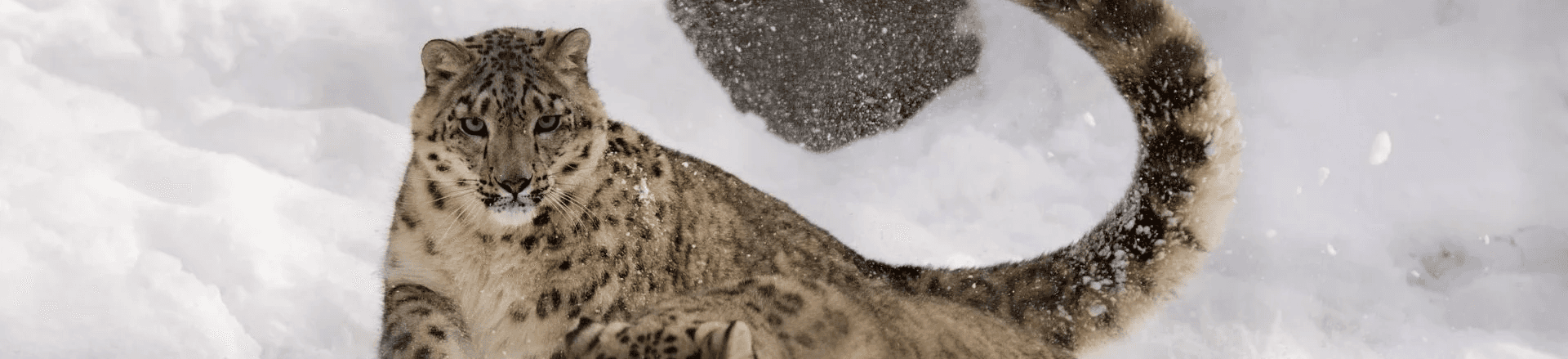
You may never see a snow leopard in the wild.

You may never see a mountain lion in the wild.

You may never see a jaguar in the wild.

We'll make sure they're out there, anyway.

Our supported species are protected by local leaders.

Our local leaders are empowered by you.

our target species

Meet the species we're devoted to protecting.

Our conservation attention is often focused on neglected geographical regions and underserved species.
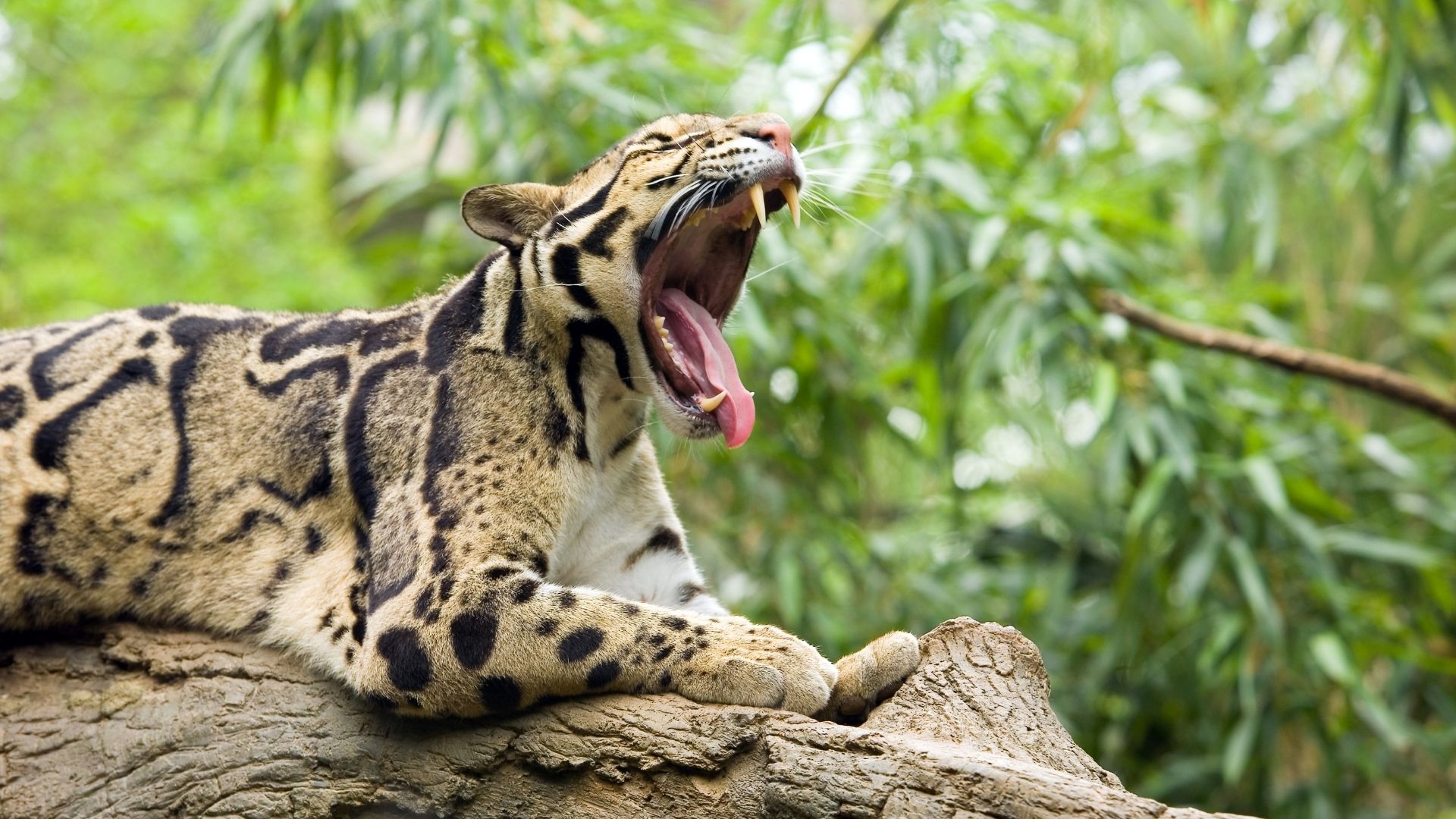
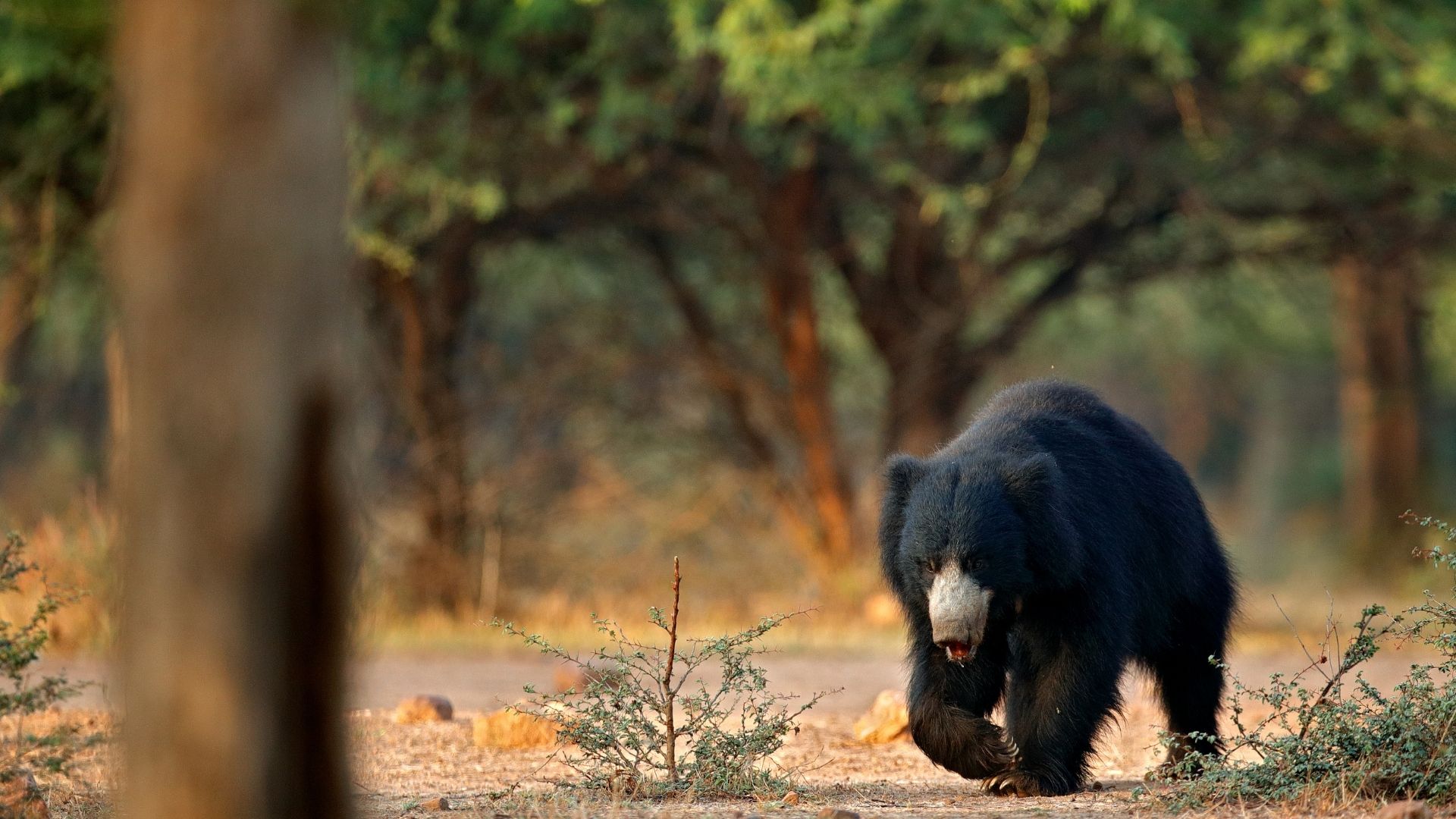
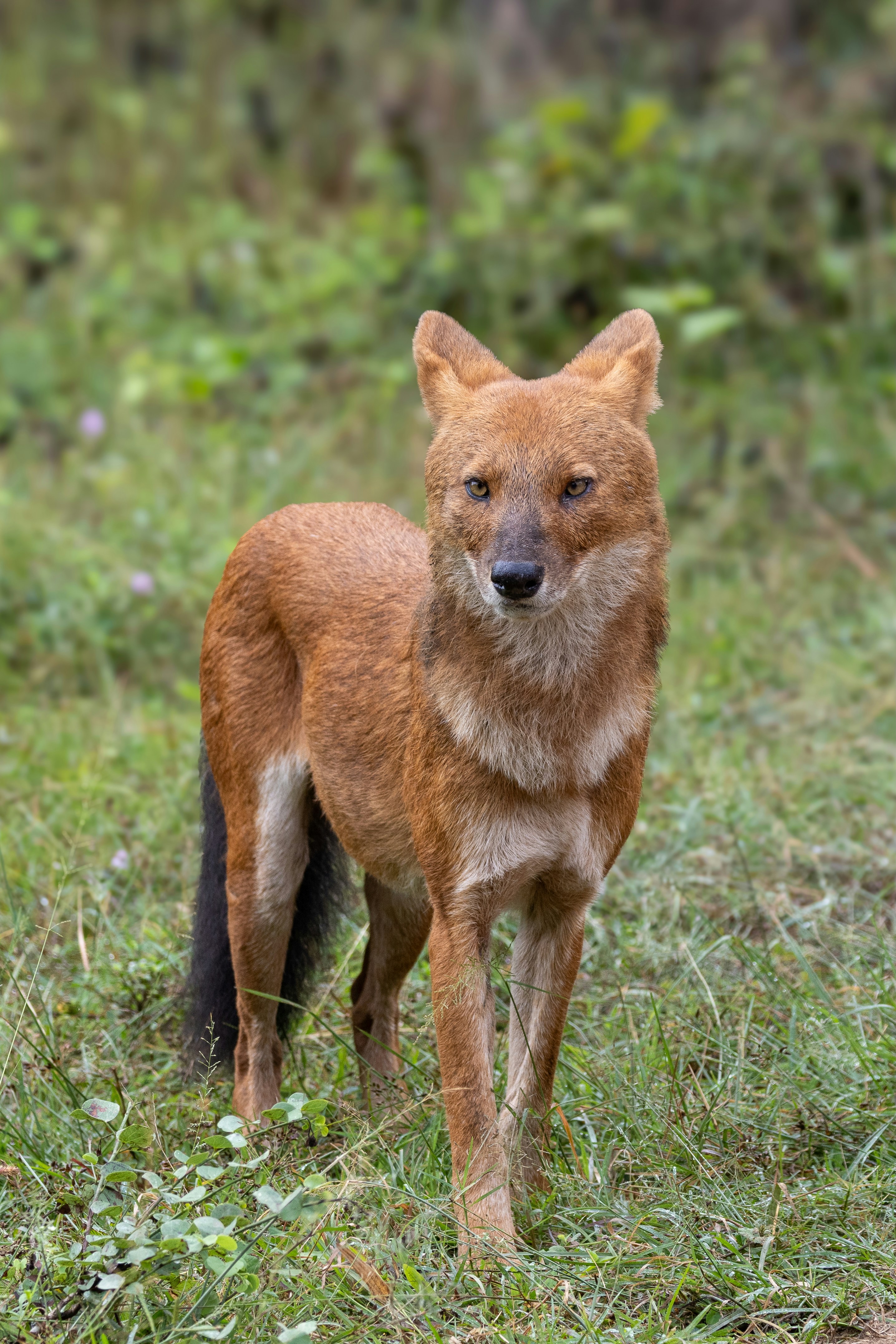
A dhole stands alert in a grassy forest clearing.
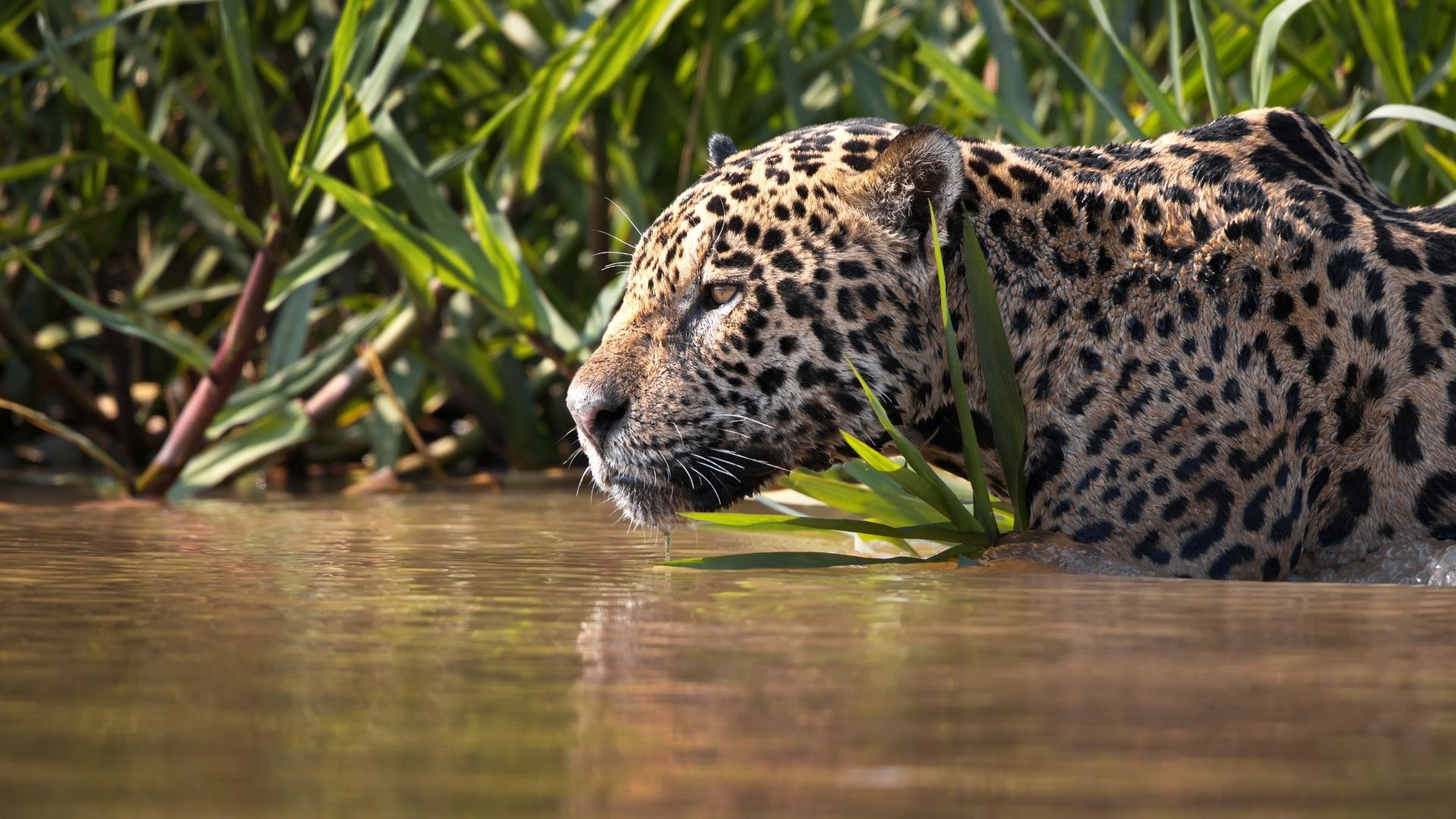
wild cat swimming in body of water
why carnivores

What is a carnivore?

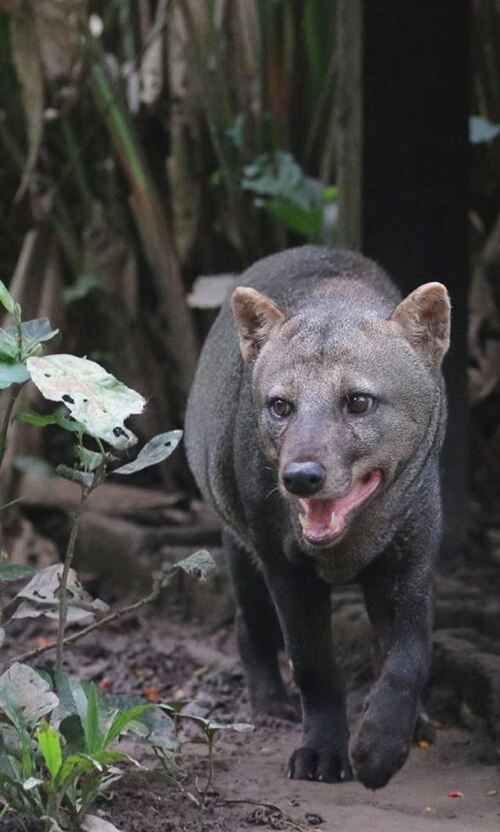
Carnivores are the wild cats, canids (dogs), bears, hyenas, otters, mongooses, and weasels, among others that live with us on planet Earth.

They serve an essential role in maintaining the health of our planet's ecosystems, but are often the first species to become threatened.

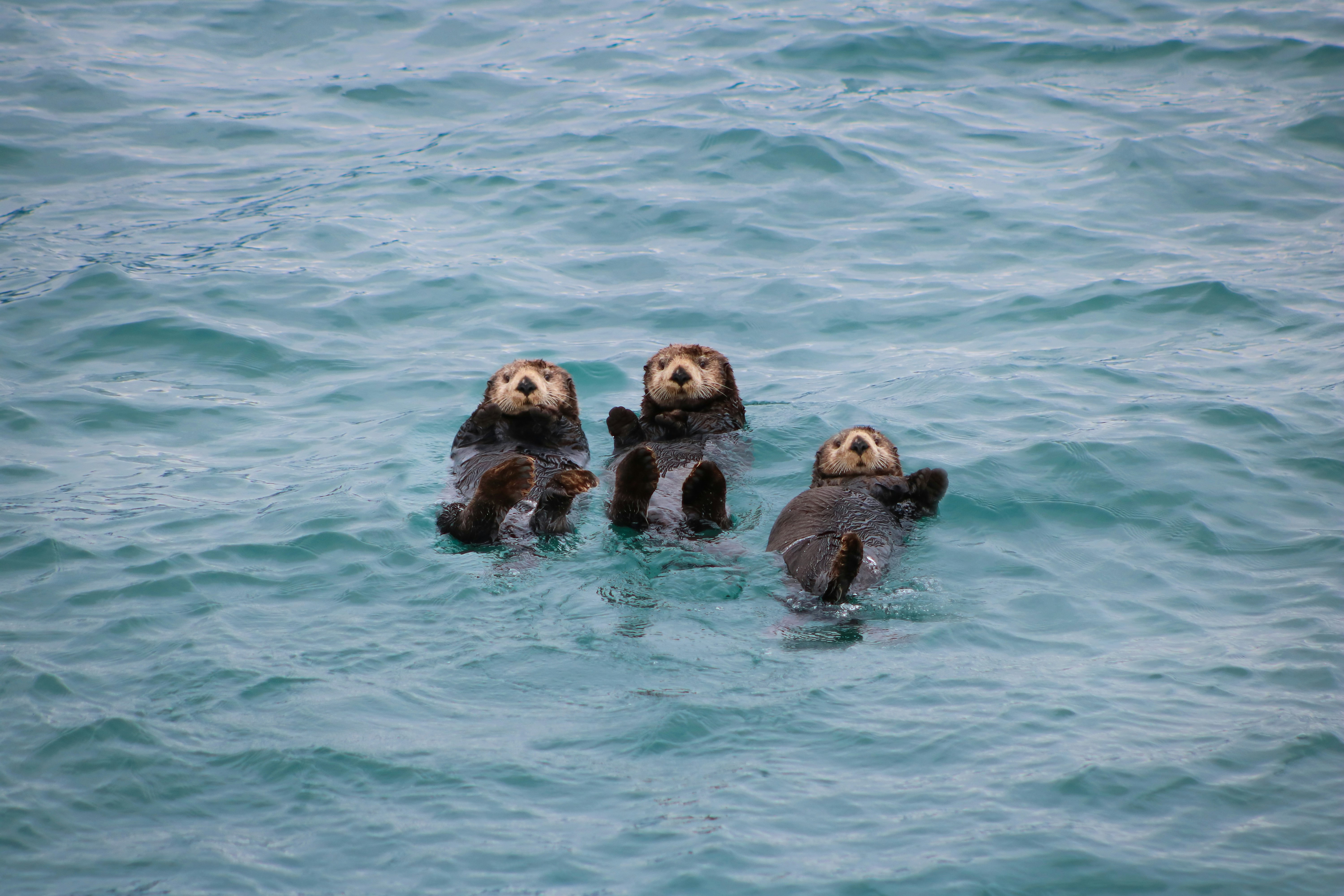
a group of sea otters swimming in the ocean

Many carnivores are keystone species that help maintain ecosystem health

Many carnivores are keystone species. This means that healthy carnivore populations are critical to the functioning and maintenance of healthy ecosystems.

Compared to other species, many carnivore populations are already small

Due to their importance high in the food web, carnivores occur at low population densities relative to many other species. Because of human activities, a high proportion of carnivore species are now threatened and endangered.

They're often the first to feel the impacts of disappearing habitats

Because they have vast territories, they require more room to roam, and thus more habitat than other species. Not surprisingly, carnivore populations are therefore among the first species to crash.

By helping carnivores, we help thousands of other species that live among them

Long-term conservation strategies aimed at conserving and restoring carnivore populations must target large, diverse, and often ecologically important areas, all of which are home to many other species.

As human development expands, carnivores are under threat

As agriculture, urban areas, and roads compromise more habitat, conflict between carnivores and people is increasing. And, poachers are finding it easier to kill and sell carnivores on the black market.

Carnivores are usually elusive, and most are understudied

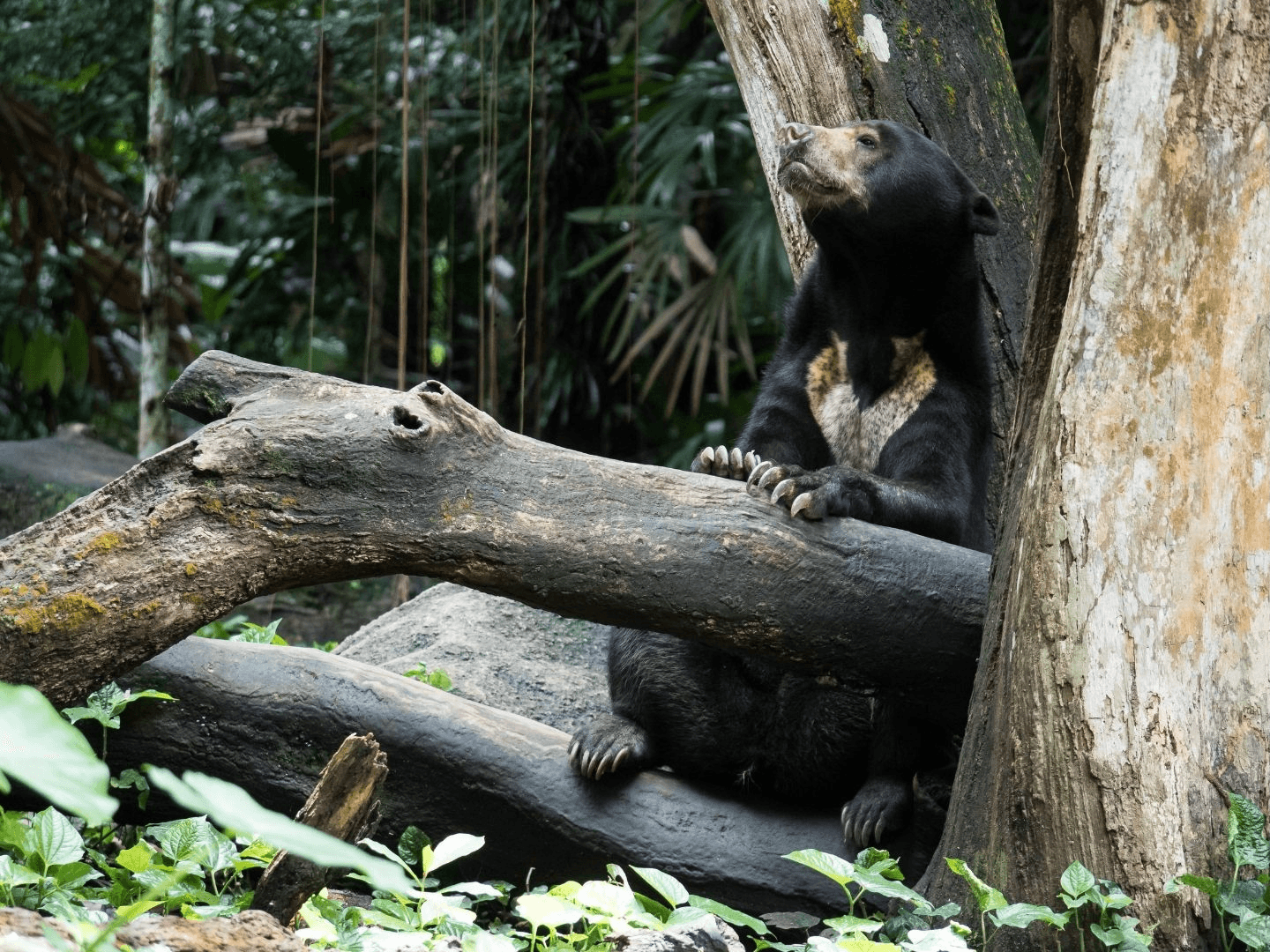
Because of their wide-ranging behavior and cryptic nature, carnivores are generally difficult to survey and observe. The ecology and behavior of some species, like the sun bear, are still largely unknown, even as they become endangered.
S.P.E.C.I.E.S.

stewards

powered by local leaders,

protected by you.

Who we are

S.P.E.C.I.E.S. is an international league of local communities, biologists, and leaders protecting endangered carnivore species, their habitats, and the human communities that share their home.


Species Stewards are the people that make our impact possible — you.

Explore our founder's work

Our team has published over 500+ papers under the supervision of our founder, Dr. Anthony J. Giordano.

Our Programs

Coming soon

Project Neofelis

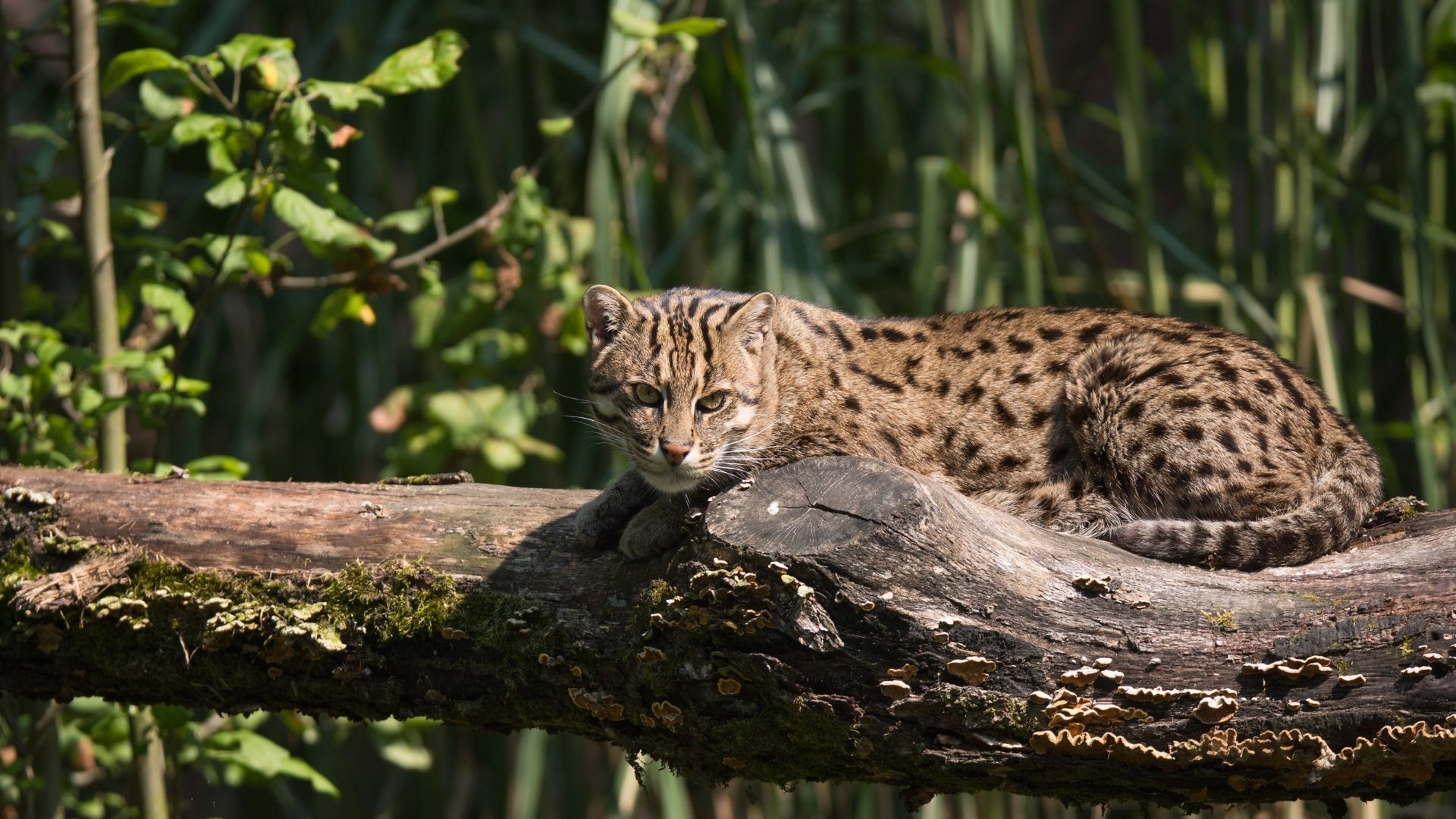
Fishing Cat Conservation Program

Dhole Conservation Program

ALERIS

Kenya Carnivores Program

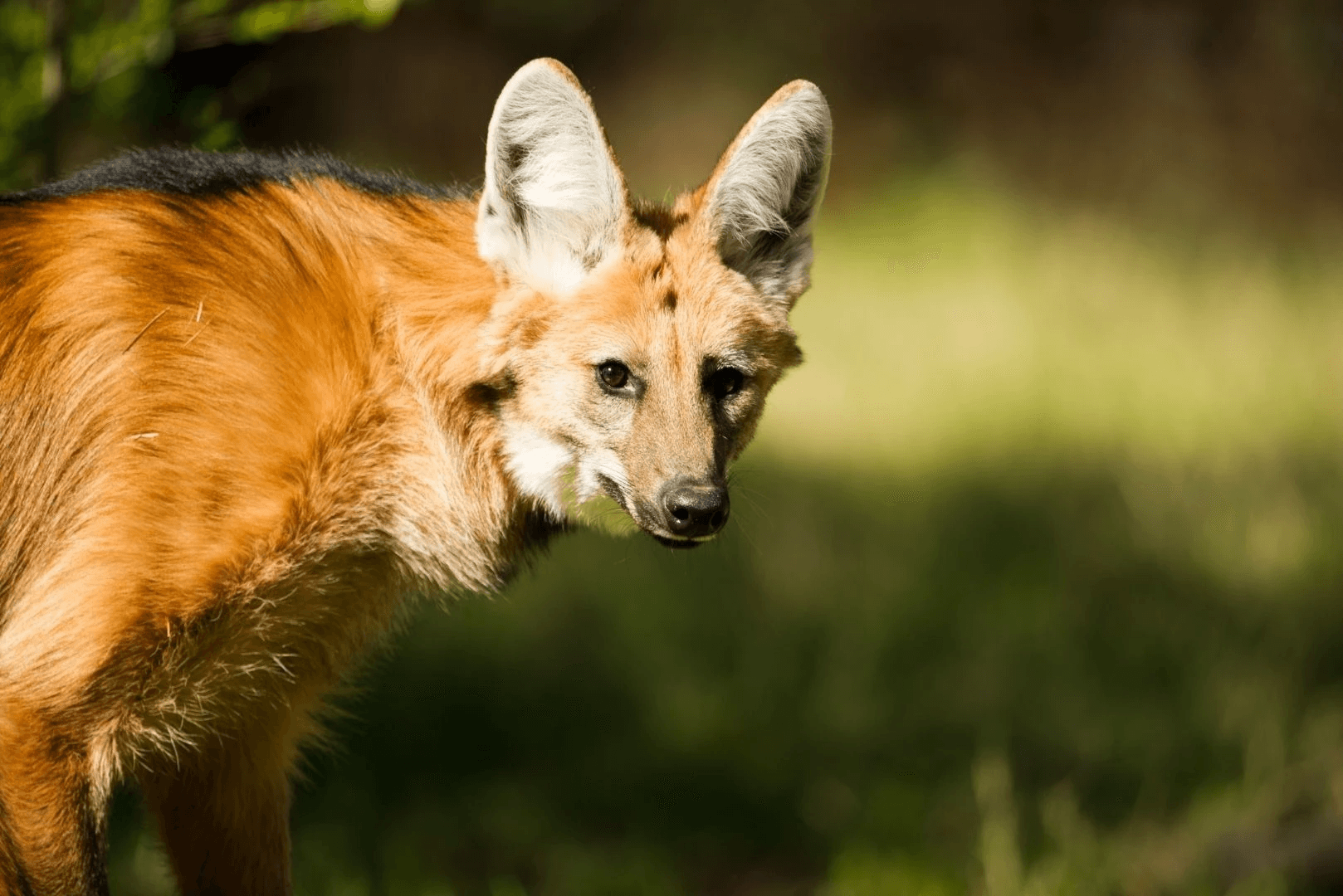
Maned Wolf Conservation Program

S.P.E.C.I.E.S. Mexico

+ more

© 2026 SPECIES Stewards. All rights reserved.

Website designed & developed by

S.P.E.C.I.E.S.

stewards

powered by local leaders,

protected by you.

Who we are

S.P.E.C.I.E.S. is an international league of local communities, biologists, and leaders protecting endangered carnivore species, their habitats, and the human communities that share their home.


Species Stewards are the people that make our impact possible — you.

Explore our founder's work

Our team has published over 500+ papers under the supervision of our founder, Dr. Anthony J. Giordano.

Our Programs

Coming soon

Project Neofelis

Fishing Cat Conservation Program

Dhole Conservation Program

ALERIS

Kenya Carnivores Program

Maned Wolf Conservation Program

S.P.E.C.I.E.S. Mexico

+ more

© 2026 SPECIES Stewards. All rights reserved.

Website designed & developed by

S.P.E.C.I.E.S.

stewards

powered by local leaders,

protected by you.

Who we are

S.P.E.C.I.E.S. is an international league of local communities, biologists, and leaders protecting endangered carnivore species, their habitats, and the human communities that share their home.


Species Stewards are the people that make our impact possible — you.

Explore our founder's work

Our team has published over 500+ papers under the supervision of our founder, Dr. Anthony J. Giordano.

Our Programs

Coming soon

Project Neofelis

Fishing Cat Conservation Program

Dhole Conservation Program

ALERIS

Kenya Carnivores Program

Maned Wolf Conservation Program

S.P.E.C.I.E.S. Mexico

+ more

© 2026 SPECIES Stewards. All rights reserved.

Website designed & developed by